
Top 10 Personalized Clothing Ideas for Businesses in 2026
In an increasingly competitive and brand-conscious world, personalized clothing ideas have become a powerful tool for businesses. Companies are no longer relying on generic uniforms; instead, they are embracing customized apparel that reflects their identity, values, and workplace culture. In 2026, personalization in clothing is not just about aesthetics—it’s about functionality, comfort, inclusivity, and innovation.
Businesses across industries are adopting creative approaches to design clothing that employees enjoy wearing while also strengthening brand visibility. Whether it’s a startup, retail store, corporate office, or manufacturing unit, customized clothing can create a lasting impression.
This blog explores the top personalized clothing ideas that businesses can implement in 2026 to stay relevant, modern, and impactful.
1. Minimalist Personalized Clothing Designs
Minimalism continues to dominate fashion trends, and it has become one of the most effective personalized clothing ideas for businesses. Instead of large, flashy logos, companies are opting for subtle branding elements such as small embroidered logos, monochrome color palettes, and clean layouts.
This approach creates a professional and premium look while ensuring that the clothing feels less like a uniform and more like everyday wear. Employees are more likely to wear minimalist clothing outside of work, which indirectly increases brand exposure.
Additionally, minimalist designs are timeless. They do not go out of fashion quickly, making them a cost-effective option for businesses looking for long-term solutions.
2. Employee Name and Role-Based Customization
Adding employee names, roles, or departments is one of the most practical personalized clothing ideas. This type of customization improves communication in workplaces, especially in customer-facing industries such as retail, hospitality, and healthcare.
When customers can easily identify employees, it enhances their overall experience. At the same time, employees feel a stronger sense of identity and belonging when their clothing reflects their role within the organization.
This idea also supports team organization. For example, different departments can have slight variations in color or design, making it easier to distinguish between roles without compromising overall brand consistency.
3. Smart and Interactive Clothing
Technology is transforming personalized clothing ideas in 2026. Smart clothing with integrated QR codes or NFC tags allows businesses to connect physical apparel with digital experiences.
For example, a customer can scan a QR code on a uniform to access a company’s website, product catalog, or social media page. This makes clothing an interactive marketing tool rather than just a functional item.
Such innovations are particularly useful for events, exhibitions, and promotional campaigns. They create a seamless connection between offline and online branding, helping businesses engage with their audience more effectively.
4. Sustainable Personalized Apparel
Sustainability has become a major focus in modern business practices, and it is influencing personalized clothing ideas as well. Companies are increasingly choosing eco-friendly fabrics such as organic cotton, recycled polyester, and biodegradable materials.
Sustainable clothing not only reduces environmental impact but also aligns with the values of environmentally conscious consumers and employees. Businesses can further enhance this approach by incorporating sustainability messages into their designs.
Adopting eco-friendly personalized clothing demonstrates responsibility and forward-thinking, which can significantly improve brand reputation.
5. Athleisure-Inspired Workwear
Comfort is a top priority in 2026, making athleisure one of the most popular personalized clothing ideas. Athleisure combines the comfort of sportswear with the appearance of professional attire.
These garments are designed with breathable fabrics, stretchable materials, and ergonomic fits, making them ideal for employees who are constantly on the move.
By focusing on comfort, businesses can improve employee productivity and satisfaction. Comfortable clothing reduces fatigue and allows employees to perform their tasks more efficiently.
6. Typography-Based Clothing Designs
Typography is emerging as a creative and impactful element in personalized clothing ideas. Instead of relying solely on logos, businesses are using text-based designs to communicate messages.
This can include company slogans, motivational quotes, or short brand statements. Typography adds a unique visual identity to clothing and makes it more engaging.
It is especially effective for marketing campaigns and events, where clothing can act as a medium to spread awareness and attract attention.
7. Gender-Neutral and Inclusive Apparel
Inclusivity is shaping the future of workplace clothing. Gender-neutral personalized clothing ideas focus on creating designs that are suitable for everyone, regardless of gender.
Unisex fits, flexible sizing, and adaptable styles ensure that all employees feel comfortable and respected. This approach not only improves employee satisfaction but also reflects a company’s commitment to diversity and inclusion.
Inclusive clothing also simplifies inventory management, as businesses can reduce the number of variations needed while still meeting diverse needs.
8. Modular and Layered Clothing Systems
Layering is becoming a practical solution in personalized clothing ideas. Instead of a single uniform, businesses are offering multiple clothing pieces that can be combined based on weather and work conditions.
For example, employees can wear a T-shirt during warmer months and add a jacket or hoodie during colder seasons. This flexibility ensures comfort throughout the year while maintaining a consistent brand appearance.
Modular clothing systems are especially useful for businesses operating in varying environments or locations.
9. Advanced Embroidery and Texture Customization
Embroidery remains a classic choice, but modern techniques have elevated it to a new level. Advanced embroidery is one of the most reliable personalized clothing ideas for businesses seeking durability and elegance.
Techniques such as tone-on-tone stitching, textured patterns, and fine detailing create a premium look without overwhelming the design.
Embroidery is also long-lasting compared to printed designs, making it a practical investment for businesses that require durable uniforms.
10. Lifestyle-Oriented Personalized Apparel
One of the most significant trends in 2026 is the shift toward lifestyle-based personalized clothing ideas. Businesses are designing apparel that employees genuinely enjoy wearing outside of work.
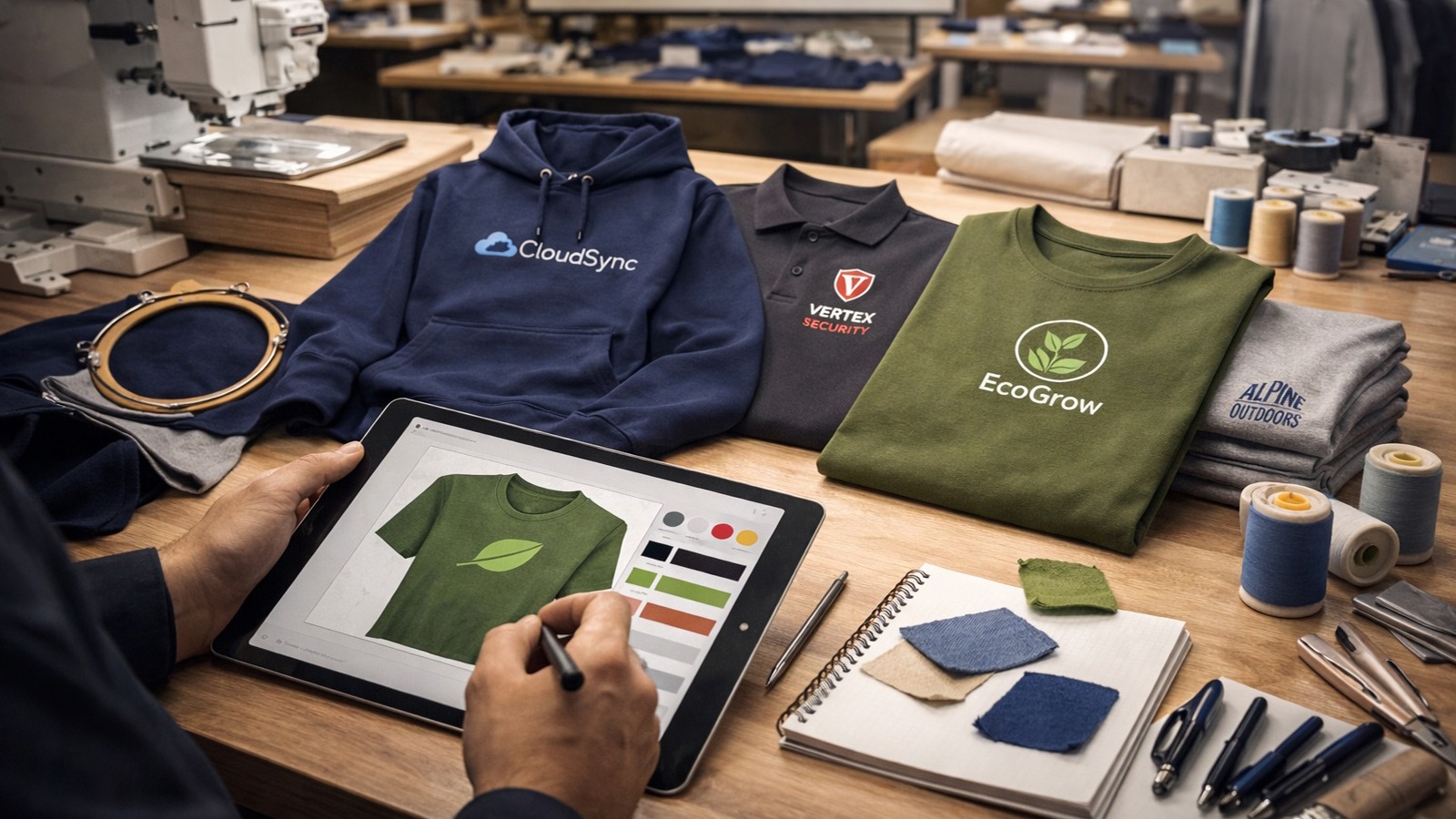
This includes casual styles like hoodies, polos, and relaxed-fit T-shirts that align with current fashion trends. When employees choose to wear company-branded clothing voluntarily, it increases brand visibility in a natural and authentic way.
Lifestyle-oriented apparel bridges the gap between workwear and everyday fashion, making it a valuable branding tool.
Why Personalized Clothing Ideas Matter for Businesses
Implementing effective personalized clothing ideas offers several benefits that go beyond appearance.
First, it strengthens brand identity by creating a consistent and recognizable visual presence. Second, it improves employee engagement by making individuals feel valued and connected to the organization. Third, it acts as a cost-effective marketing strategy, as branded clothing promotes the business wherever it is worn.
Finally, personalized clothing enhances professionalism, helping businesses build trust and credibility with customers.
Tips to Choose the Right Personalized Clothing Ideas
To make the most of personalized clothing ideas, businesses should consider a few key factors.
Start by understanding the specific needs of your industry and workforce. Choose designs that balance style with functionality, ensuring that employees can perform their tasks comfortably. Focus on quality materials and durable customization techniques to maximize long-term value.
It is also important to maintain consistency in branding elements such as colors, logos, and fonts. At the same time, avoid overly complex designs, as simplicity often leads to better results.
In 2026, personalized clothing ideas are transforming the way businesses approach uniforms and apparel. From minimalist designs and smart technology integration to sustainable materials and inclusive styles, personalization is redefining workplace clothing.
By adopting these ideas, businesses can create apparel that not only meets functional requirements but also enhances brand identity and employee satisfaction. Personalized clothing is no longer just a necessity—it is a strategic investment that can drive engagement, visibility, and long-term success.
As trends continue to evolve, businesses that embrace innovation and creativity in their clothing strategies will be better positioned to stand out in a competitive market.